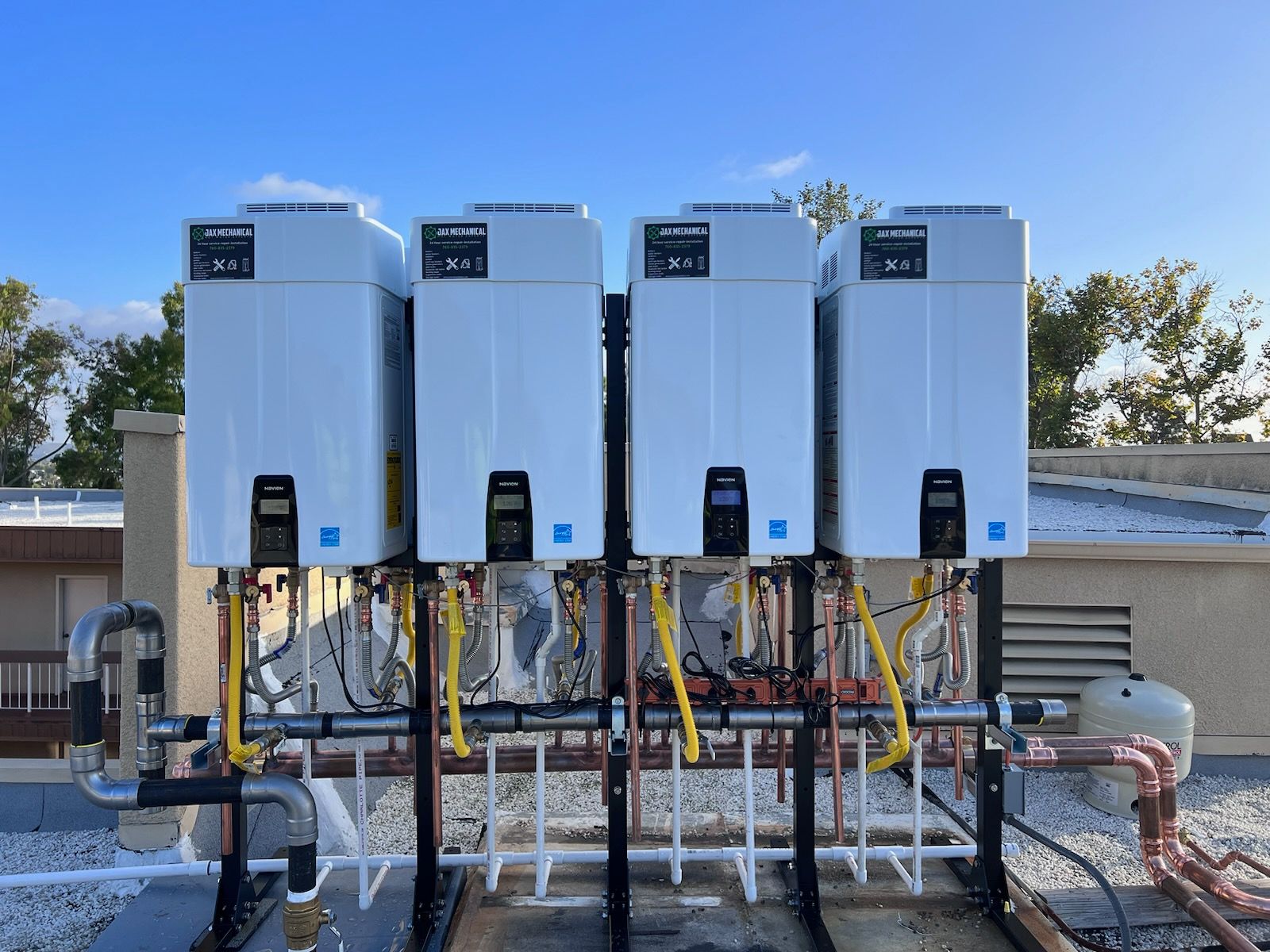
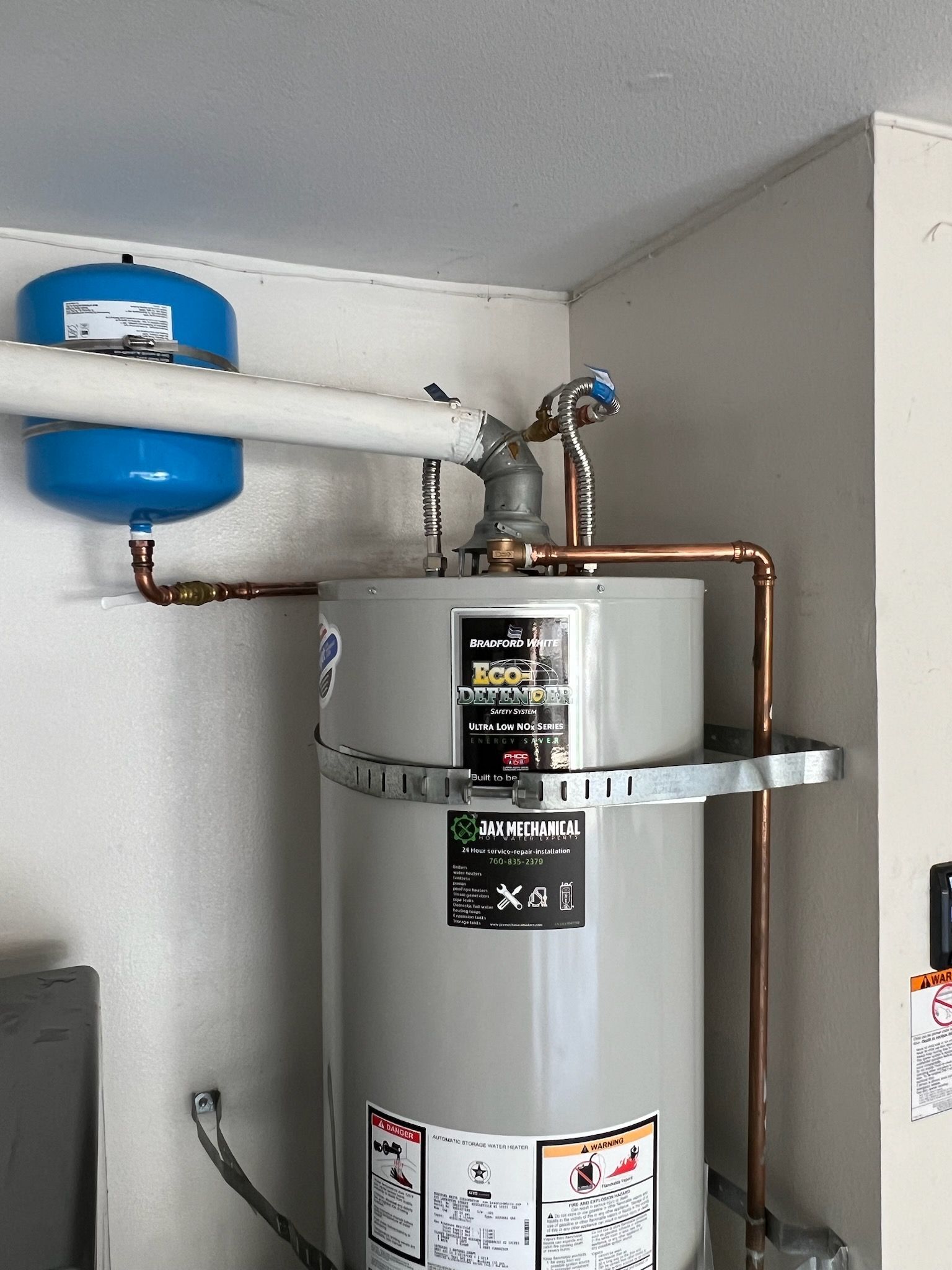
Salt air corrodes boilers faster than inland conditions do, and coastal San Diego properties feel it first. Salt-laden moisture settles on metal surfaces, gets pulled into combustion air, and attacks vents, casings, fittings, and electrical connections. The damage builds quietly for months, then shows up as a leak, a failed component, or a boiler that won’t start. Regular boiler maintenance, with corrosion-specific checks, is how coastal property owners stay ahead of it.
Why Salt Air Is Hard on Boilers
Ocean air carries microscopic salt particles, and combined with the humidity and morning marine layer common along the San Diego coast, they form a corrosive film on metal. Unlike ordinary dust, salt holds moisture against surfaces and speeds up rust. Boilers have a lot of exposed metal and a constant need for outside air, so they take a beating.
The effects reach well beyond the boiler cabinet:
- Exterior casings and panels can rust, bubble, or lose their finish
- Vent terminations and flue pipes are exposed to salt and moisture
- Combustion air intakes draw in salty air that reaches burners and internal parts
- Electrical connections and controls can corrode, causing erratic behavior or failure
- Fittings, valves, and piping can corrode at joints and connections
- Mechanical room conditions matter too, since poorly ventilated, damp rooms accelerate everything
Two Types of Corrosion to Watch
It helps to separate corrosion on the outside of a boiler from corrosion on the inside.
Air-side (external) corrosion comes from salt, humidity, and condensation on the boiler’s exterior, venting, and combustion air path. Coastal location is the main driver.
Water-side (internal) corrosion comes from the water circulating through the system, including dissolved oxygen, mineral scale, and poor water chemistry. Coastal air doesn’t cause it, but a system already weakened on the outside can be less forgiving of problems inside, and both types need attention.
Warning Signs of Corrosion
Look for:
- Rust, flaking paint, or bubbling on the boiler casing or piping
- White, green, or crusty buildup at fittings and valves
- Stains or drips around connections
- Corroded or discolored venting or vent terminations
- Corrosion on electrical terminals, wiring, or control panels
- Unusual noises, frequent cycling, or intermittent shutdowns
- Soot or flame changes that suggest a combustion air issue
- A mechanical room that feels damp or smells musty
Small rust spots can be treated. Ignoring them leads to leaks, failed parts, and eventually replacement.
Coastal Boiler Maintenance: What to Check
A boiler maintenance program for a coastal property should include corrosion-specific checks in addition to the usual tune-up:
- Inspect the exterior and casing for rust and finish damage
- Check vent terminations and combustion air inlets for buildup, blockage, and deterioration
- Examine electrical connections and controls for corrosion
- Look at fittings, valves, and piping for early leaks and mineral deposits
- Review the mechanical room for ventilation, humidity, and moisture sources
- Test water quality and treat the system as needed to protect the inside
- Clean and treat surfaces where early corrosion is found
For homes, an annual residential boiler tune-up should include these checks. Coastal commercial systems often benefit from more frequent attention.
Protecting Equipment in Coastal Locations
Prevention starts with how a system is installed and maintained:
- Choose corrosion-resistant equipment and materials where possible
- Protect exposed components with appropriate coatings and enclosures
- Provide ventilation and moisture control in boiler rooms
- Position vents and air intakes thoughtfully with salt and wind exposure in mind
- Keep up with scheduled maintenance instead of waiting for visible damage
If you’re replacing or installing equipment near the coast, make sure your installer designs the system for these conditions from the start.
Who Is Most at Risk
Corrosion affects any boiler close to the coast, but it’s especially important for:
- Hotels and hospitality properties near the beach that depend on constant hot water
- Multifamily buildings with rooftop or exterior-mounted equipment
- Senior living communities where reliable heat and hot water are essential
- Homes in coastal neighborhoods with exterior boiler closets or outdoor equipment
- Commercial facilities with boilers in open or poorly ventilated spaces
You can see the full list of
industries we serve, along with examples of past work on our
projects page.
Commercial Boiler Service for Coastal Properties
For commercial property managers, corrosion is a budgeting issue as much as a mechanical one. Planned
commercial boiler service lets you catch corrosion early, schedule repairs, and avoid emergency failures. A maintenance record also helps you see how equipment is aging, which makes replacement planning easier.
Boiler Maintenance for Coastal San Diego
Jax Mechanical is a family-owned boiler, plumbing, water heating, and HVAC company based in Oceanside, serving coastal and inland properties across San Diego County.
We service all major brands, follow California’s latest safety and energy standards, and are available 24/7 for urgent needs, so salt air doesn’t turn into a mid-winter emergency.