This summer's Legionnaires' disease outbreak on Manhattan's Upper East Side has put building water systems in the spotlight. The outbreak killed 11 people and sickened dozens more, and the city's response has raised hard questions about how often building water systems get inspected and maintained. Lawmakers in New York are now weighing stricter testing and monitoring requirements.
The outbreak happened across the country, but the lessons apply to any property with a large water system. For San Diego hotels, senior living communities, multifamily buildings, and other commercial properties, it's a good moment to take a fresh look at how your hot water system is being maintained.
What Is Legionnaires' Disease?
Legionnaires' disease is a serious form of pneumonia caused by Legionella bacteria. People typically get sick by breathing in tiny droplets of contaminated water, such as mist from showers, faucets, cooling towers, or decorative fountains. It doesn't spread from person to person.
Most healthy people who are exposed don't get sick, but the risk is higher for older adults, smokers, and people with chronic health conditions. That's why senior living communities, hospitality properties, and multifamily buildings, where many people share one water system, tend to receive the most attention.
Why Building Water Systems Matter
Legionella occurs naturally in fresh water, but it can multiply in the warm, stagnant conditions found in some building plumbing systems. Conditions that can contribute include:
- Water sitting unused in pipes or tanks for long periods
- Water temperatures that fall in a range where bacteria grow more easily
- Sediment or buildup in tanks and equipment
- Aging or poorly maintained plumbing components
- Low-use areas, such as vacant units or seasonally closed wings of a building
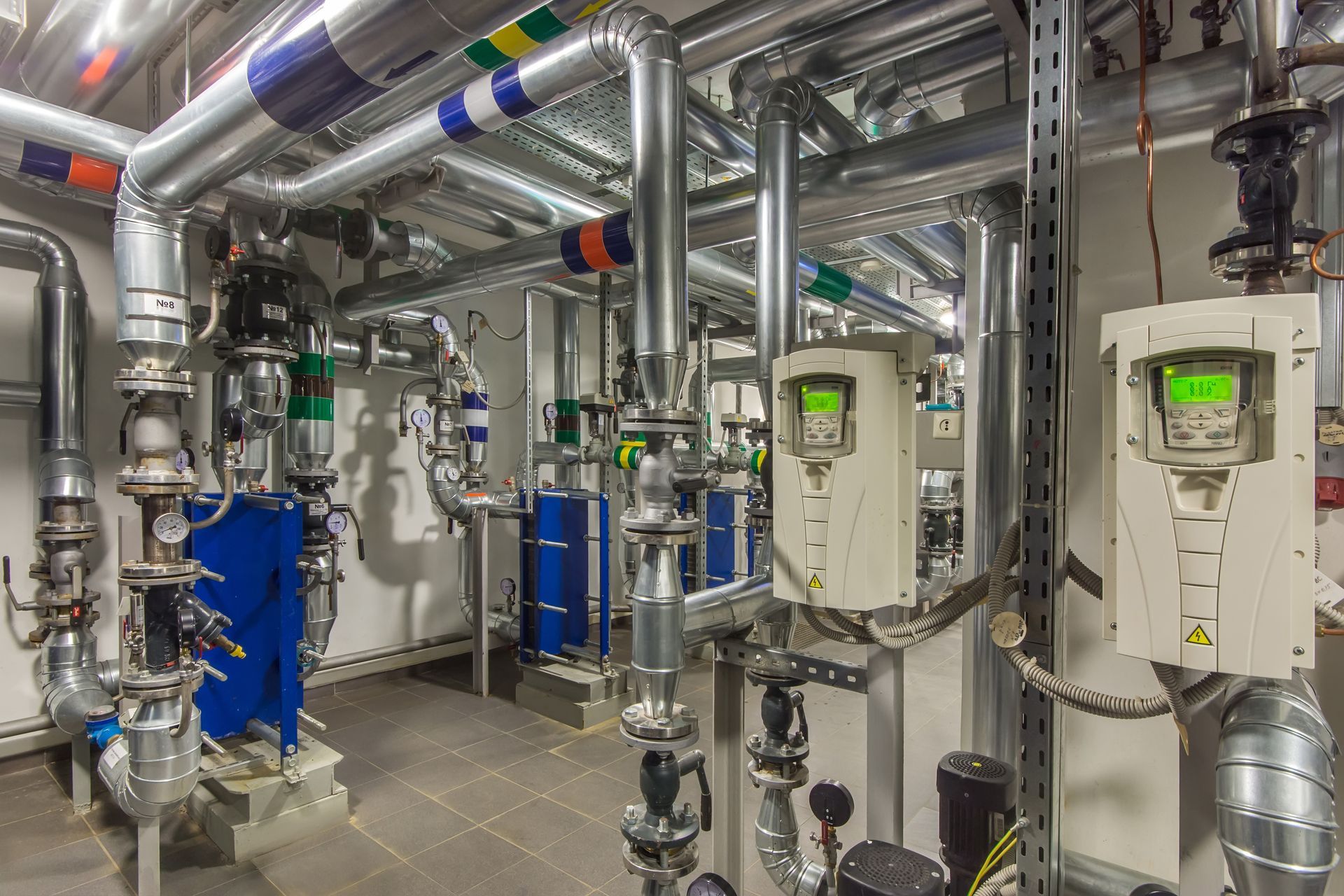
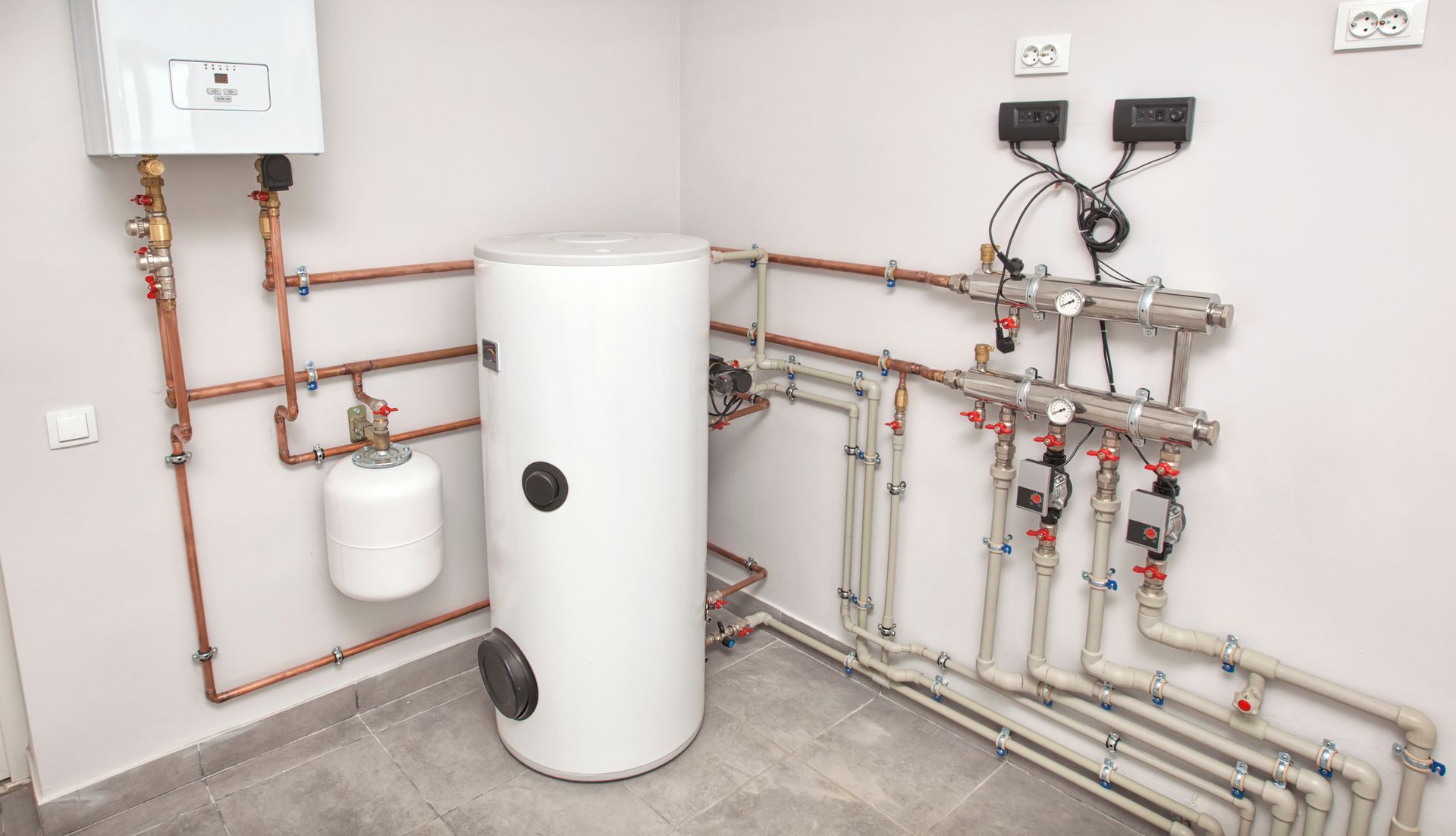
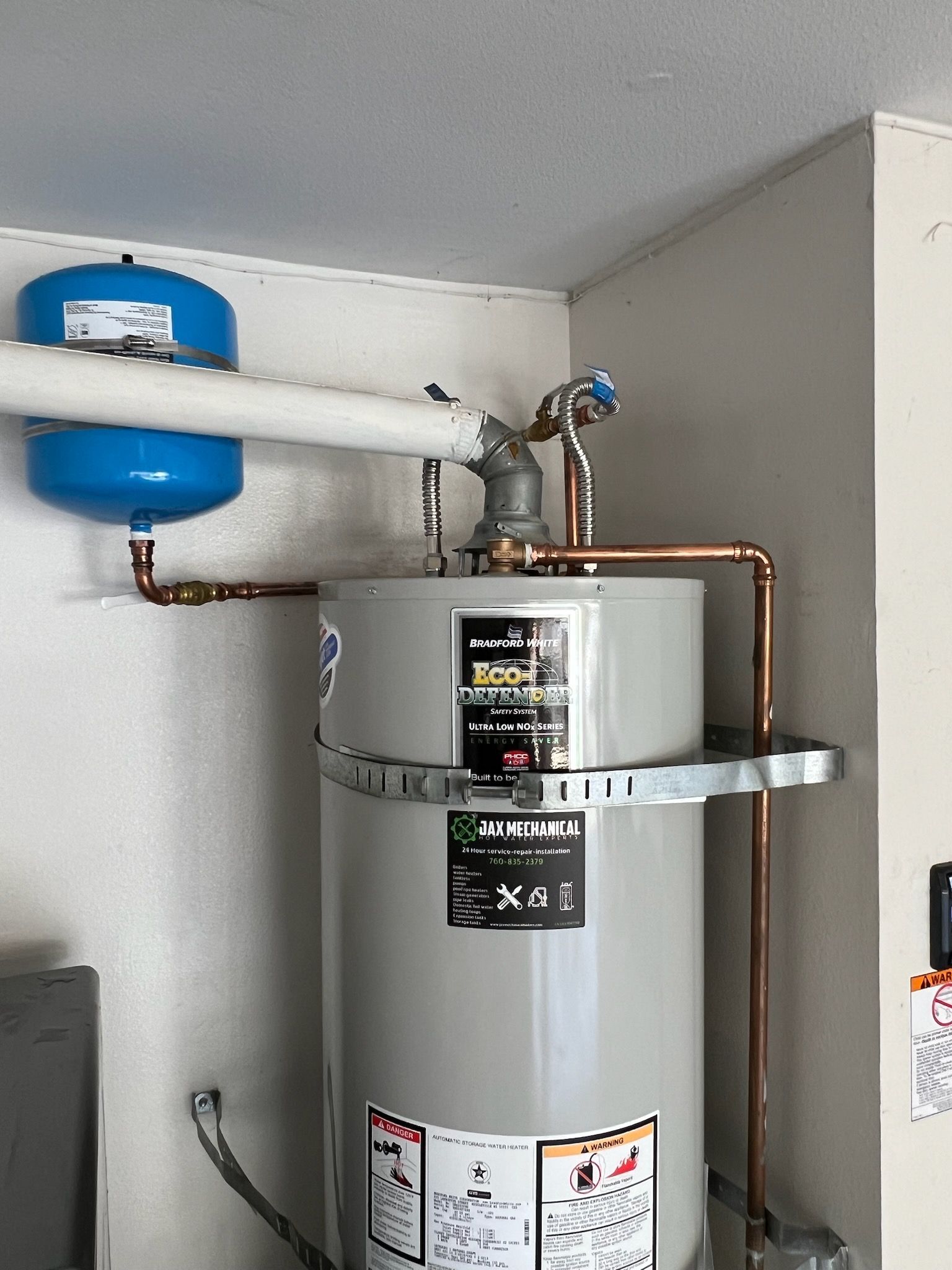
Hot water systems are one part of this picture. When a boiler, water heater, or storage tank isn't performing as intended, it can affect the water temperatures throughout a building.
Where Boilers and Hot Water Systems Fit In
A properly running hot water system isn't a guarantee against Legionella, and no single piece of equipment is. But well-maintained equipment is the foundation of a building's overall approach to water safety. Reliable hot water equipment helps a property:
- Maintain consistent, intended water temperatures throughout the system
- Avoid equipment failures that cause temperature swings or extended shutdowns
- Catch sediment buildup, corrosion, or worn components before they become bigger problems
- Keep records showing the system has been regularly serviced
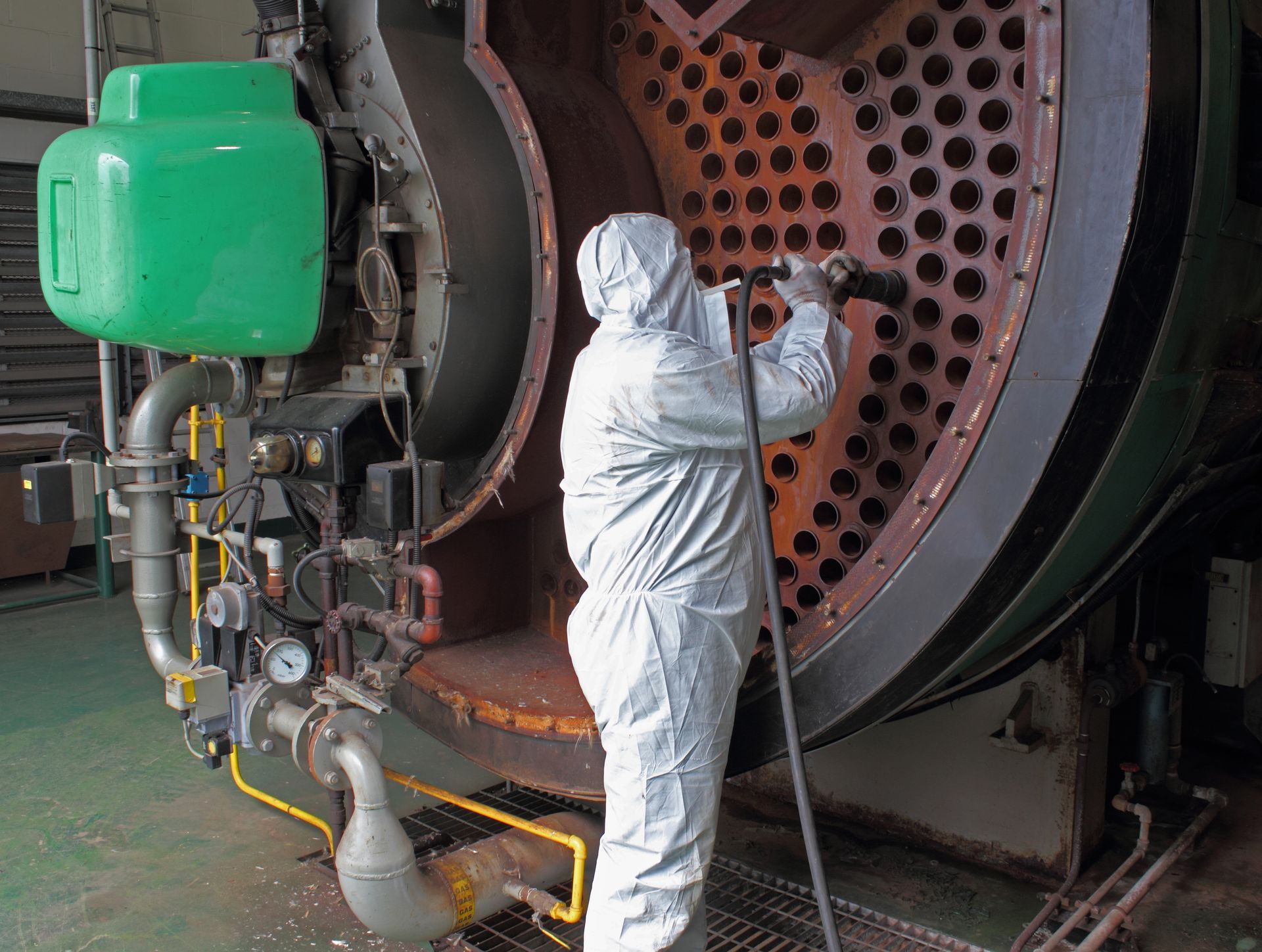
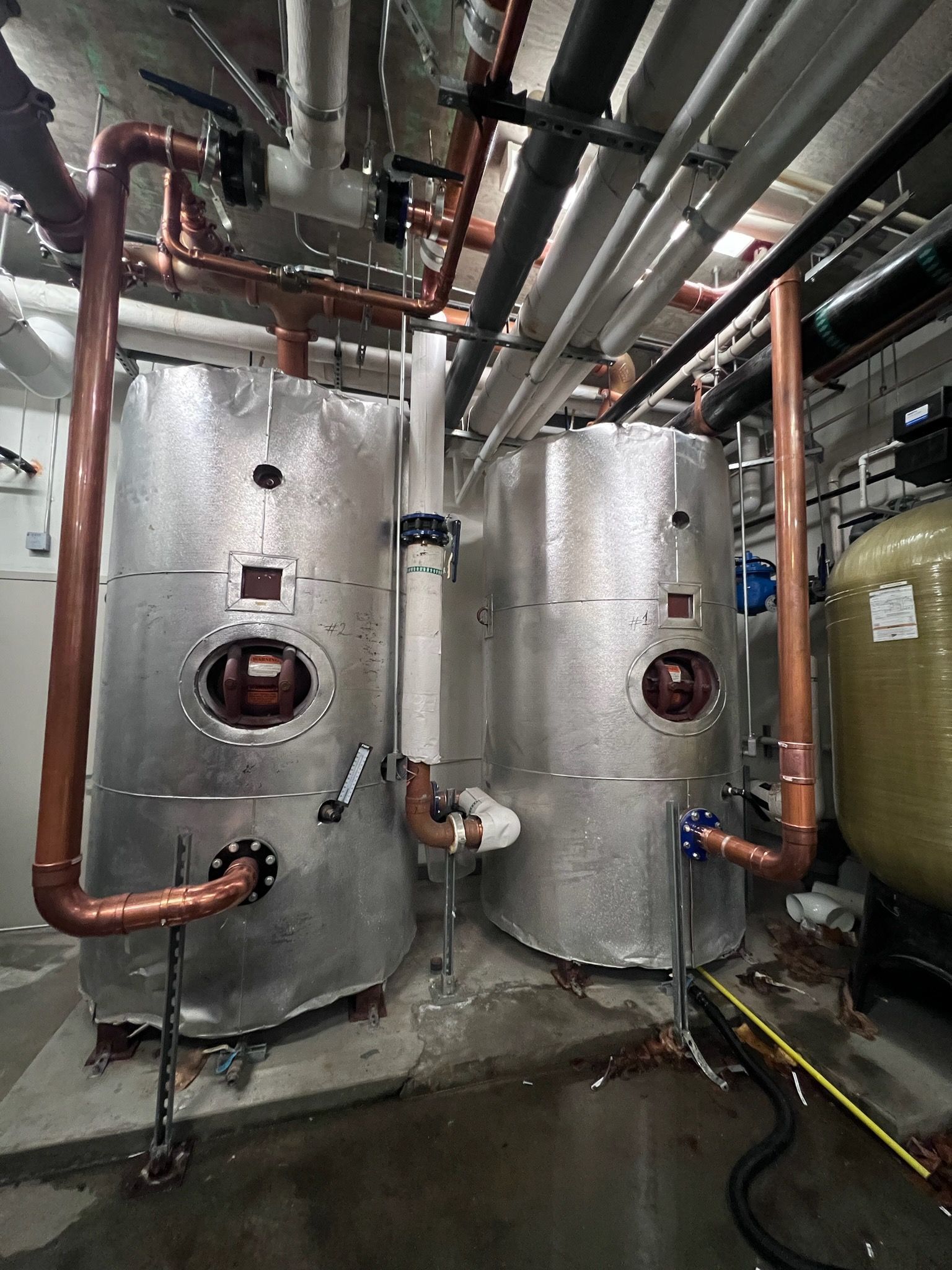
For properties that run large boilers and storage systems, routine professional maintenance is an essential step in protecting both residents and guests.
Questions San Diego Property Owners Should Be Asking
You don't need to be a water safety expert to start asking useful questions. A few worth raising with your property manager, maintenance team, or service provider:
- When was our hot water system last inspected and serviced? If you can't answer that quickly, it's worth finding out.
- Are our water temperatures being monitored? Knowing what the system is actually doing is better than assuming.
- Do we have areas of low water use? Vacant units, unused fixtures, and rarely used wings can be overlooked.
- Do we have a water management plan? Many facilities, particularly senior living and healthcare, are encouraged or required to have one. Requirements vary by property type, so check with the appropriate regulatory agency or a qualified water safety professional.
- Are our maintenance records organized and up to date? Good documentation matters if questions ever arise.
Why Proactive Maintenance Beats Reacting to a Problem
One thing the New York outbreak highlights is how much of this comes down to routine attention. When inspections and maintenance slip, small issues can go unnoticed until they become large ones. For property owners, the cost of regular maintenance is small compared to the cost of a system failure, a health incident, or the loss of trust that comes with either.
That's especially true for properties serving vulnerable populations, where the stakes of a water system problem are higher.
Taking a Fresh Look at Your Property
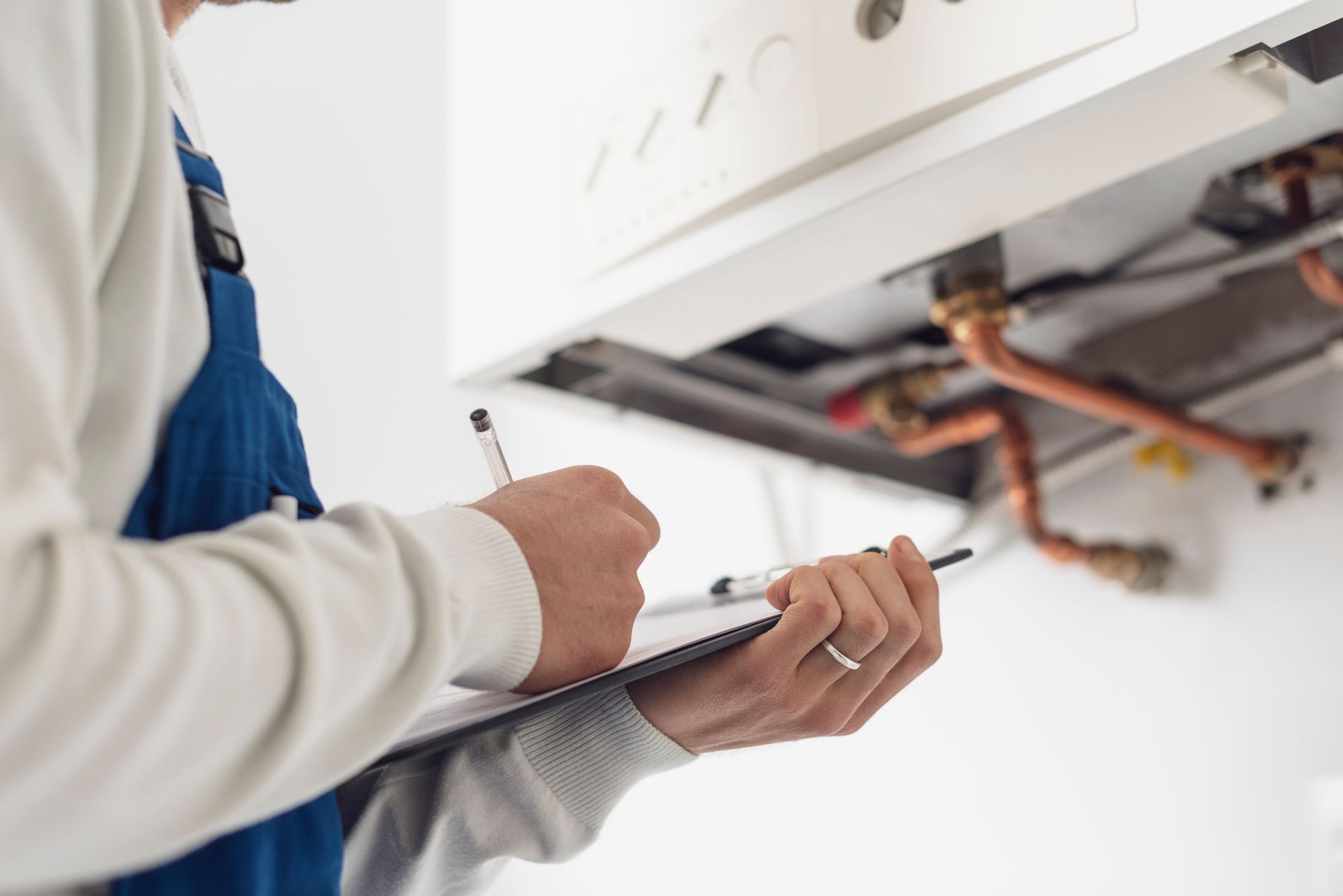
You don't have to wait for a headline to review your building's hot water system. Scheduling a professional inspection and maintenance visit is a straightforward way to confirm your boilers and hot water equipment are operating as they should and to identify anything that needs attention.
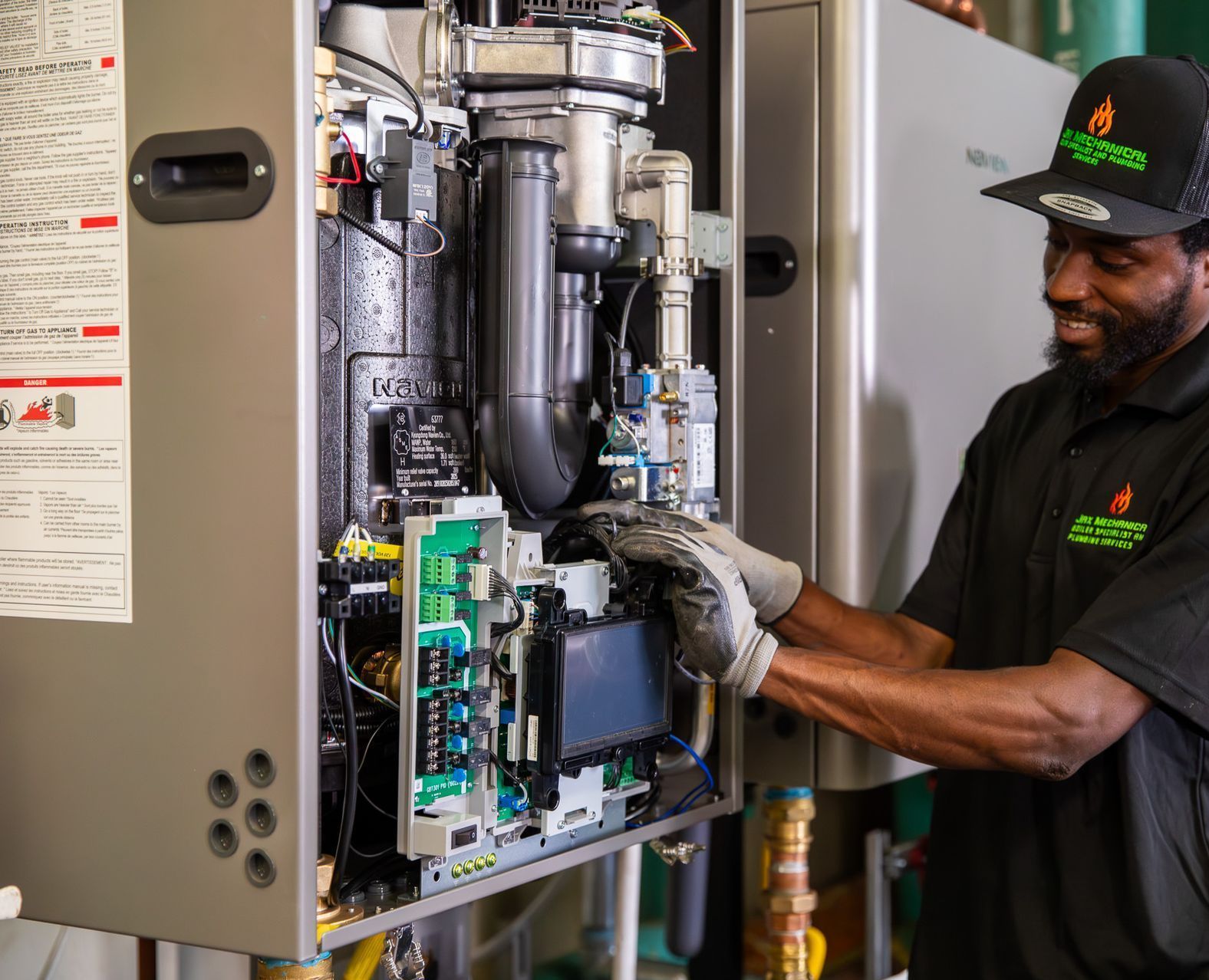
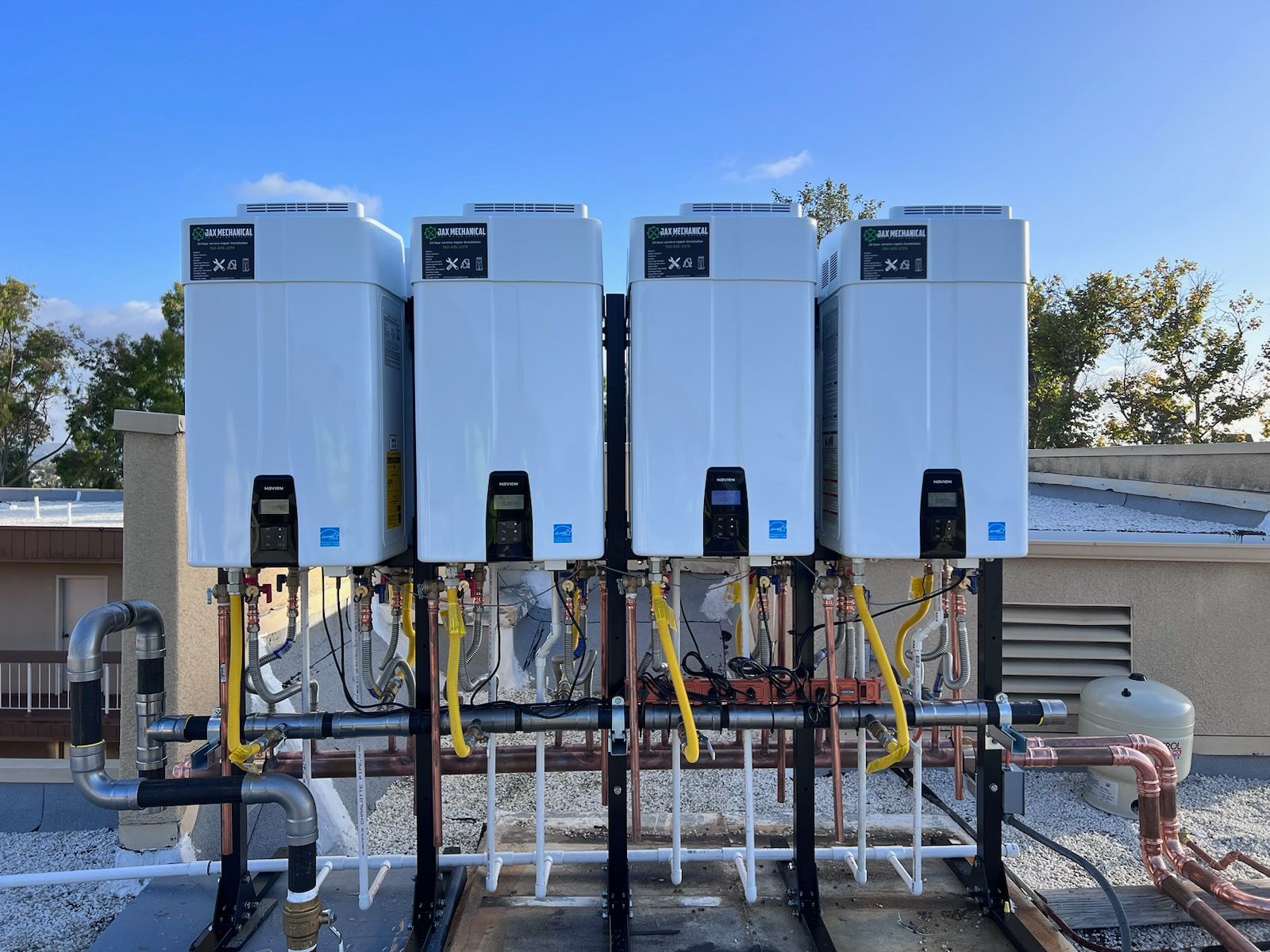
If you own or manage a hotel, senior living community, multifamily property, or commercial building in San Diego County, Jax Mechanical can inspect and service your boilers and hot water systems so you know your equipment is in good working order.