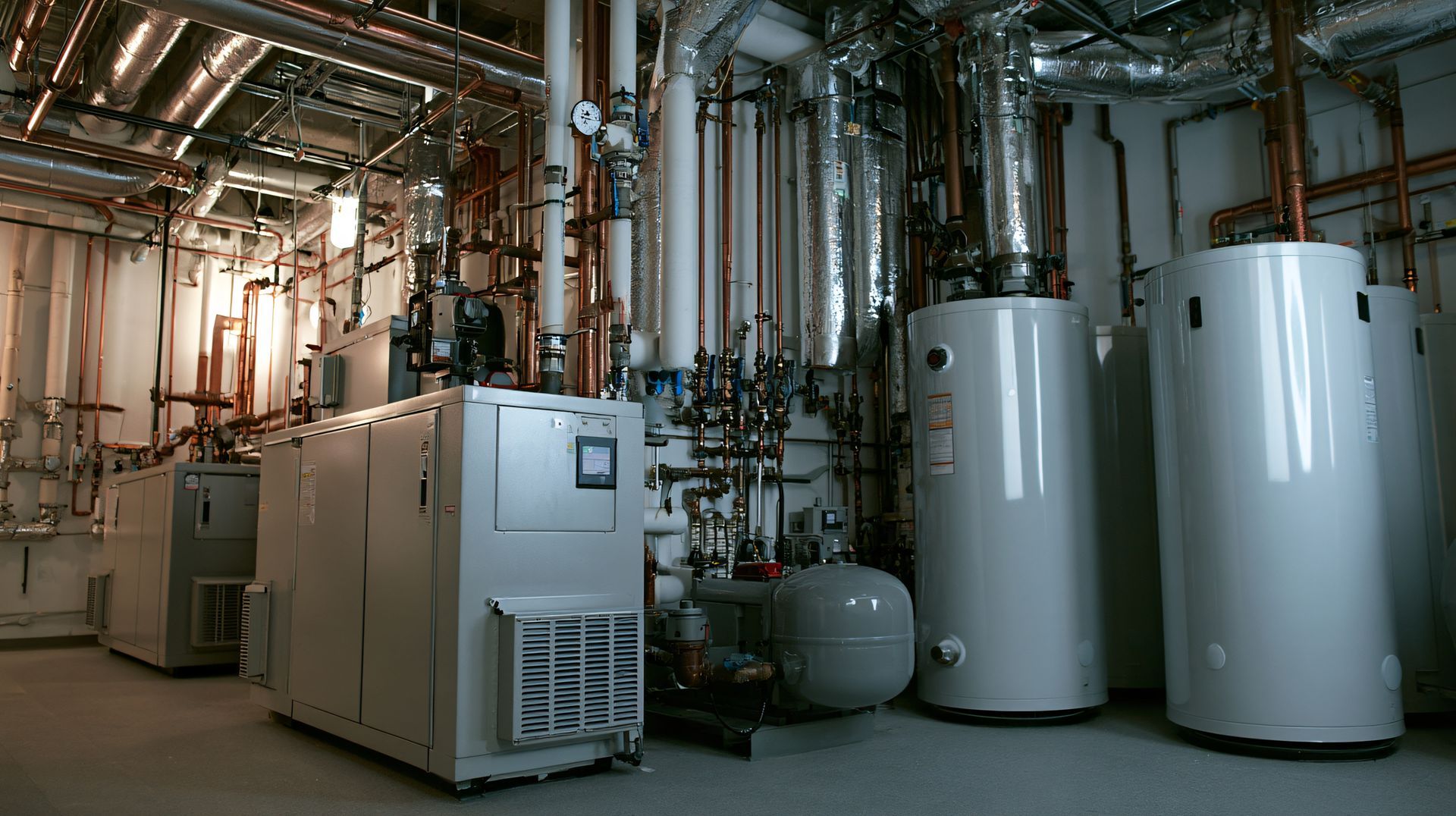
For apartment complexes, condominium communities, hotels, and other multi-unit properties, boiler efficiency directly affects operating costs, tenant comfort, and long-term equipment performance. Even small inefficiencies can lead to significant increases in utility expenses when heating water or providing space heating for dozens—or even hundreds—of occupants.
As energy costs continue to fluctuate, property owners and facility managers are looking for practical ways to improve system performance without sacrificing reliability. Fortunately, a combination of routine maintenance, modern controls, system balancing, and strategic upgrades can significantly improve boiler efficiency in multi-unit buildings throughout San Diego.
Why Boiler Efficiency Matters in Multi-Unit Properties
Unlike single-family homes, multi-unit properties place much greater demands on boiler systems. Boilers often operate for extended periods to meet varying hot water and heating needs across multiple units, guest rooms, or common areas.
An inefficient system can lead to:
- Higher utility bills
- Uneven heating or hot water distribution
- Increased wear on equipment
- More frequent repairs
- Reduced tenant or guest satisfaction
- Shorter equipment lifespan
Improving efficiency not only lowers operating costs but also helps maintain consistent comfort for residents and guests.
Schedule Regular Boiler Maintenance
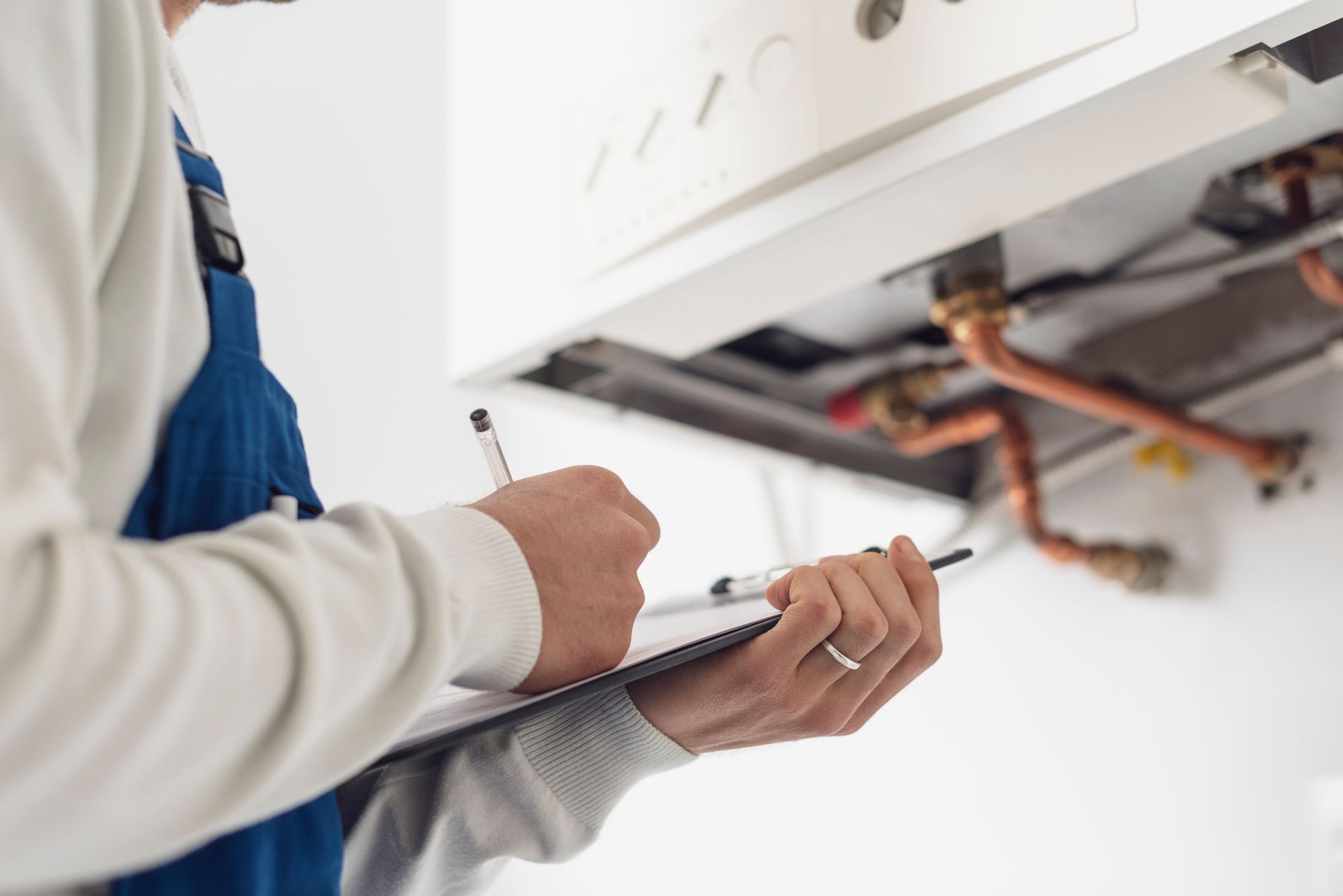
One of the simplest and most effective ways to improve commercial boiler efficiency is through preventative maintenance.
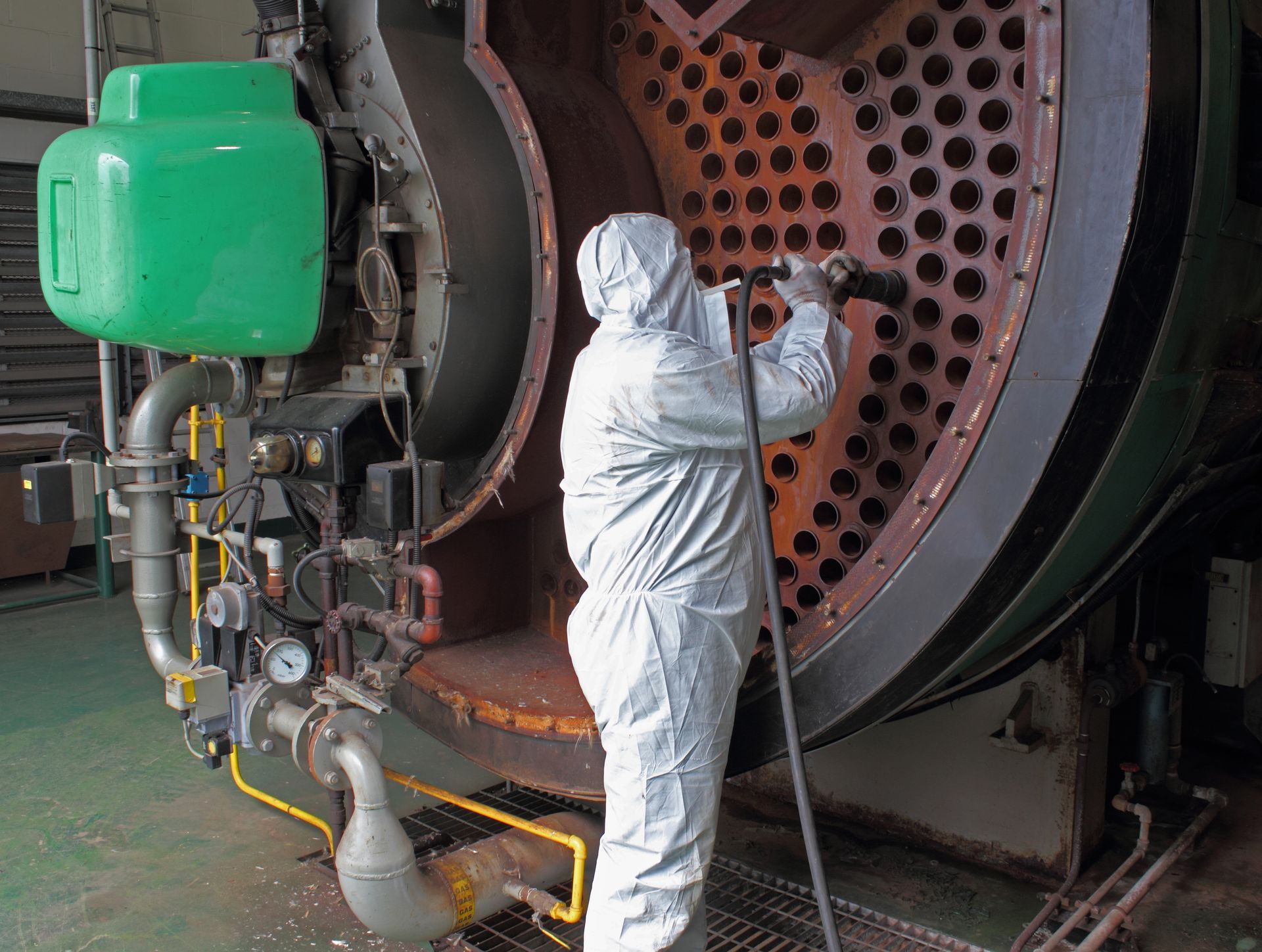
Over time, boilers accumulate scale, sediment, soot, and other contaminants that reduce heat transfer and force the system to work harder. Routine service helps ensure all components are operating as intended.
Maintenance should include:
- Burner inspections and cleaning
- Heat exchanger cleaning
- Safety control testing
- Valve inspections
- Pressure and temperature checks
- Water treatment evaluations
- Leak detection
For apartment buildings, condominiums, and hotels, regular maintenance can help identify potential problems before they result in costly downtime or tenant complaints.
Upgrade to Programmable Boiler Controls
Many older boiler systems operate on outdated control methods that fail to optimize energy usage throughout the day.
Modern programmable controls allow facility managers to:
- Adjust operating schedules
- Match output to actual demand
- Monitor system performance
- Reduce unnecessary runtime
- Improve temperature consistency
Advanced control systems can automatically adjust boiler operation based on occupancy levels, outdoor temperatures, or hot water demand patterns.
For hotels and large residential properties, these controls often provide one of the fastest returns on investment because they reduce energy waste while maintaining occupant comfort.
Balance the Boiler System
System balancing is frequently overlooked but can have a significant impact on efficiency.
In many multi-unit properties, certain areas receive too much heat while others struggle to maintain comfortable temperatures. These imbalances force boilers to work harder than necessary and often lead to occupant complaints.
A properly balanced system helps ensure:
- Even heat distribution
- Consistent hot water delivery
- Reduced energy consumption
- Improved occupant comfort
- Less strain on equipment
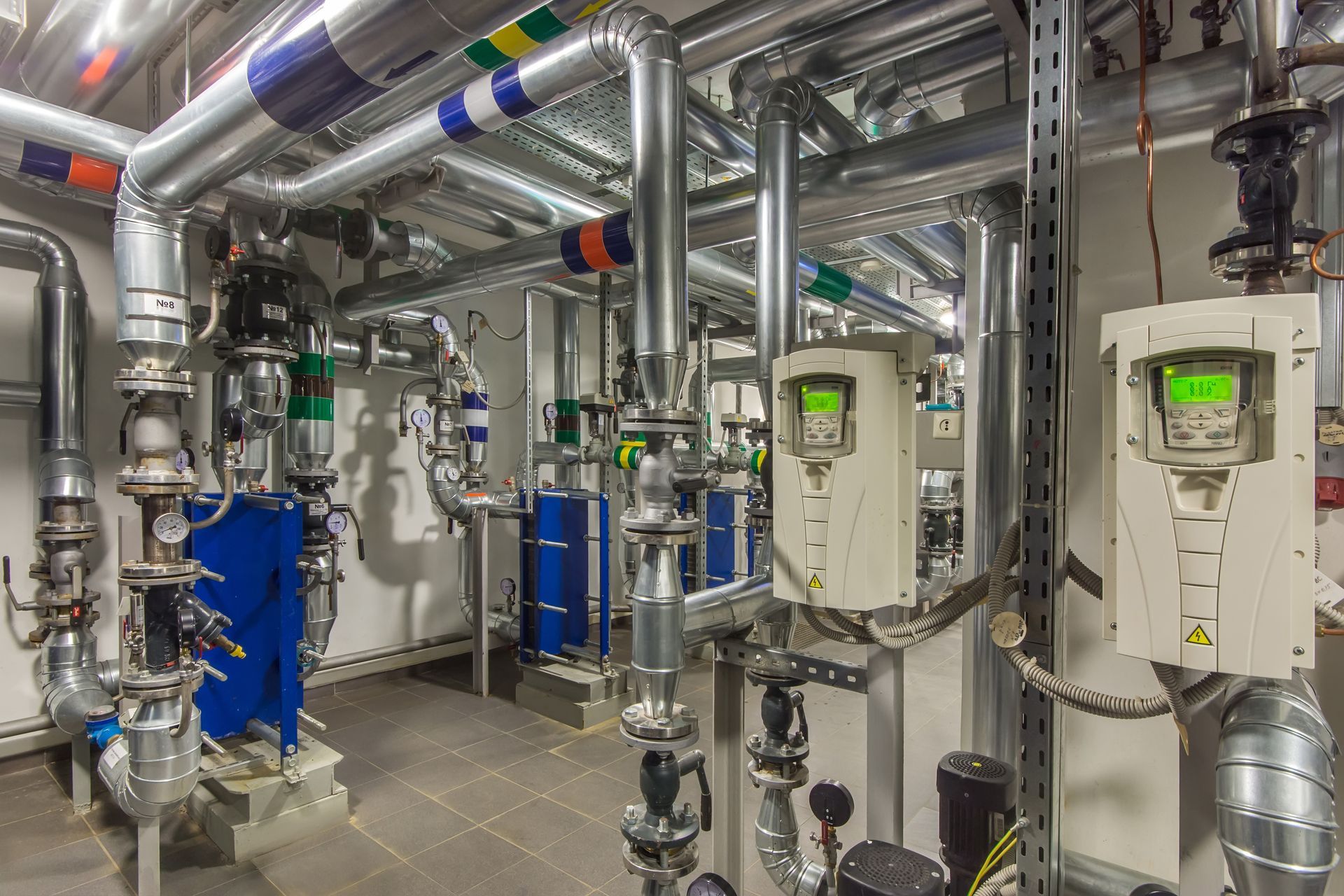
Balancing may involve adjusting flow rates, inspecting circulation pumps, evaluating control valves, and verifying proper operation throughout the distribution system.
Improve Insulation Throughout the System
Heat loss is a common source of inefficiency in commercial boiler systems.
Facility managers should inspect:
- Boiler piping
- Hot water supply lines
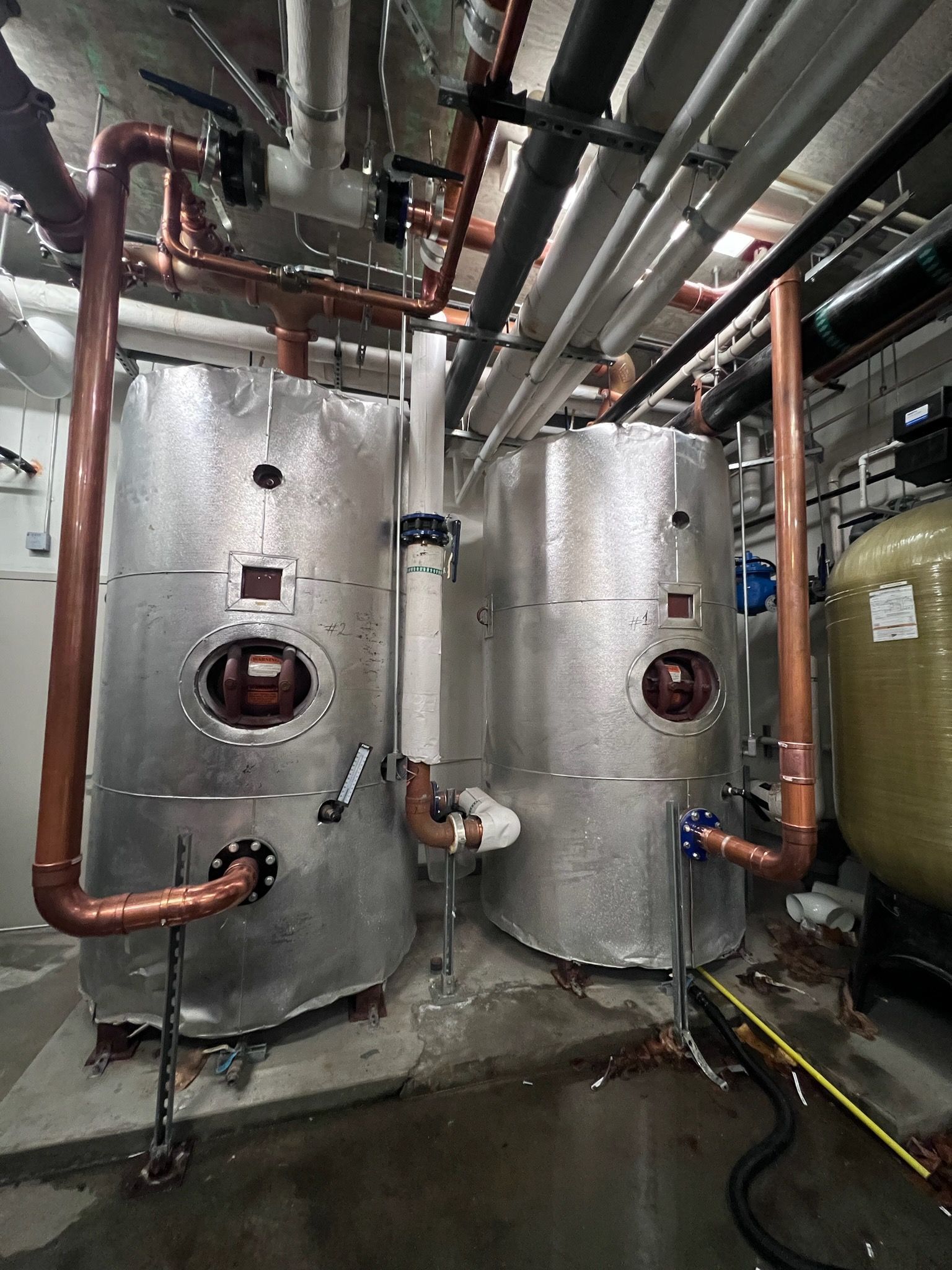
- Storage tanks
- Mechanical rooms
- Distribution networks
Proper insulation helps retain heat where it belongs, reducing the amount of energy required to maintain desired temperatures. In larger apartment and hotel properties, even modest reductions in heat loss can generate meaningful energy savings over time.
Consider High-Efficiency Equipment Upgrades
If a boiler system is aging or requiring frequent repairs, upgrading to newer equipment may offer substantial efficiency improvements.
Modern high-efficiency boilers typically feature:
- Improved heat exchangers
- Advanced combustion technology
- Better fuel utilization
- Enhanced control systems
- Lower operating costs
While replacement represents a larger investment, the long-term energy savings and reduced maintenance requirements often make upgrades worthwhile for multi-unit property owners.
Optimize Domestic Hot Water Systems
In apartment complexes and hotels, domestic hot water production is often one of the largest energy consumers connected to the boiler system.
Improving efficiency may involve:
- Installing better temperature controls
- Reducing standby heat loss
- Upgrading recirculation systems
- Repairing leaks
- Improving storage tank performance
Regular evaluation of hot water demand patterns can help identify opportunities for energy savings while maintaining adequate service for residents and guests.
Monitor Boiler Performance Year-Round
Many efficiency problems develop gradually and go unnoticed until utility costs increase significantly.
Facility managers should routinely monitor:
- Fuel consumption
- Water usage
- Operating pressures
- Temperature readings
- Maintenance records
- Equipment runtime
Tracking performance trends allows operators to identify declining efficiency early and address issues before they become expensive problems.
Partner with an Experienced Boiler Service Provider
Multi-unit boiler systems are more complex than residential systems and require specialized expertise. Working with a qualified boiler contractor ensures maintenance, repairs, upgrades, and efficiency improvements are performed correctly.
Professional boiler technicians can evaluate existing equipment, identify inefficiencies, recommend cost-effective upgrades, and develop maintenance programs tailored to the needs of apartment communities, condominiums, hotels, and other commercial properties.
Improve Efficiency and Reduce Operating Costs
For San Diego property owners and facility managers, improving boiler efficiency is one of the most effective ways to control operating expenses while maintaining reliable comfort for occupants. Regular maintenance, programmable controls, system balancing, insulation improvements, and strategic equipment upgrades can all contribute to better performance and lower energy consumption.
By taking a proactive approach to boiler efficiency, multi-unit properties can reduce costs, extend equipment life, and provide a more comfortable experience for residents and guests throughout the year.